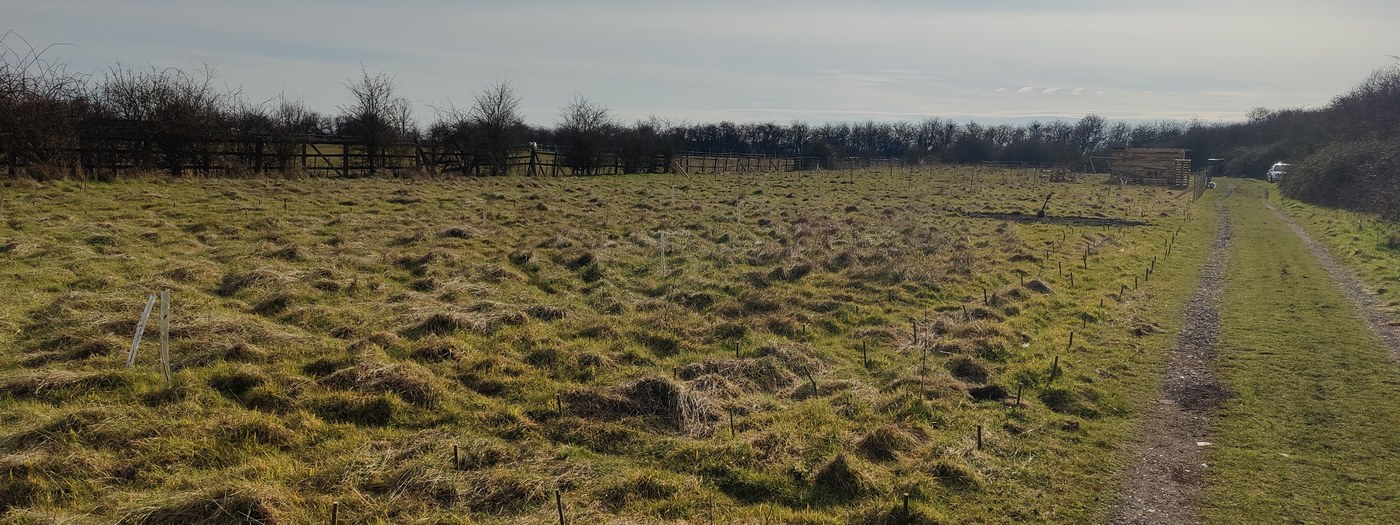
"Something built from scratch, on land I own, with my own hands — and a clear goal of making it a genuine, sustainable business."
Barralier Farm is a working smallholding in Buckinghamshire, built from the ground up on land that had sat unused for decades. No inherited operation, no running start — just a parcel of land, an idea worth pursuing, and the conviction that small-scale farming still matters.
Growing up in this part of Buckinghamshire, the farming landscape was always close. Uncles worked much of the land in the area. Cowpasture Farm, just down the road, was where the family's agricultural roots ran deepest. That context is there — but this farm isn't a continuation of something. It's a deliberate choice to start something new, on land that deserved to be used properly.
How It Started
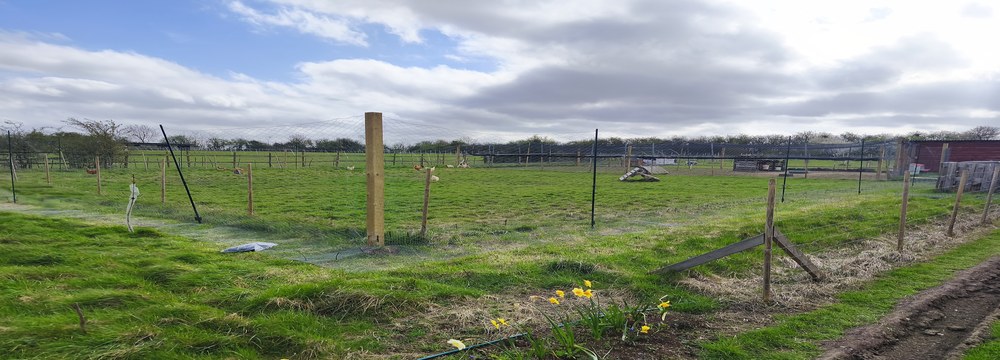
The land sits on the rural fringes between Newton Longville and Drayton Parslow in Buckinghamshire — about as quiet and agricultural as it gets. It had been in the family for around forty years, used by Jamie's grandfather for his business but never farmed. When it came to Jamie, it was open ground going to seed with a weathered old sign at the boundary reading "Barralier Farm." That name stuck. In 2024 the work began in earnest.
No mains water. No mains electricity. Just open land waiting to be worked. Fencing went in, solar panels went up, and the first flock of chickens arrived shortly after. Small-scale farming is genuinely hard work — especially alongside a full-time job — but the reasoning behind it goes beyond the personal. Britain is quietly losing the knowledge, infrastructure, and habit of producing its own food at a local level. That matters. As the world leans harder into technology and centralised systems, a functioning smallholding that produces real food locally feels less like a hobby and more like something worth preserving.
We're losing farming from one generation to the next without noticing. A small farm producing real food, run by hand — that's not old fashioned. It's exactly what the future needs more of.
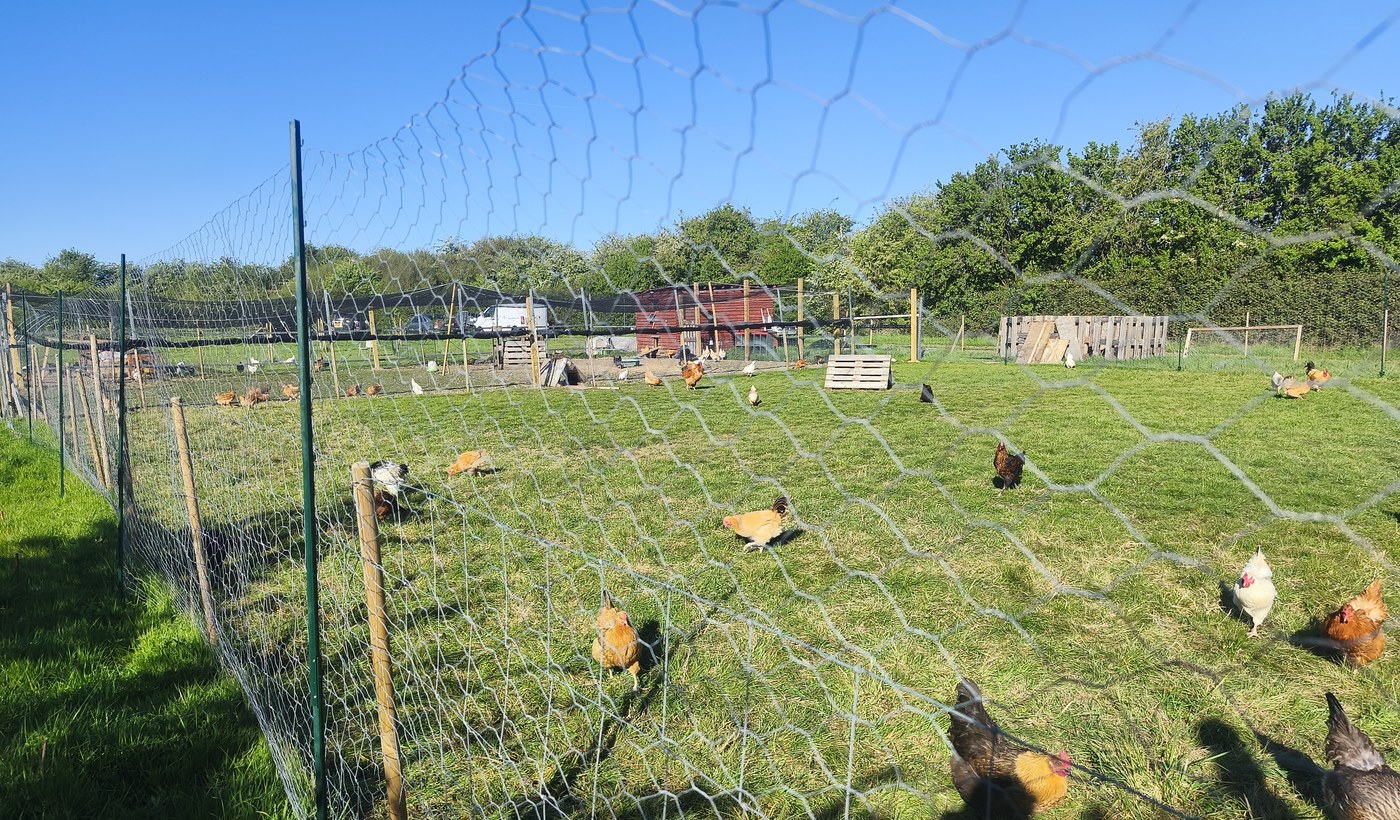
From the beginning, every product has been raised and produced with care for animal welfare and the environment. The hens are free range — kept in secure, sectioned outdoor areas that protect them from predators while giving them proper outdoor access and space. The quails are managed in species-appropriate conditions. The bees are managed seasonally with their welfare as the priority.
The Animals
The farm currently runs a mixed breed free-range laying flock of around 90 hens, a quail flock of 60–70 birds, and a number of bee colonies managed for honey production. All animals are kept in secure outdoor enclosures suited to their species, with management focused on welfare rather than volume. The farm also has three cats — Ash, Snowflake, and Yeti — who have the run of the land and play their own practical role in keeping the rodent population in check.
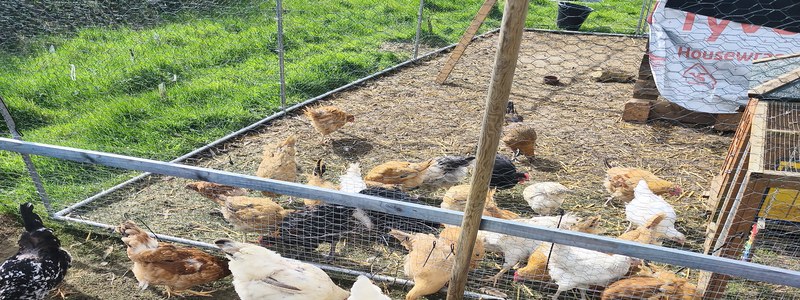
Laying Hens
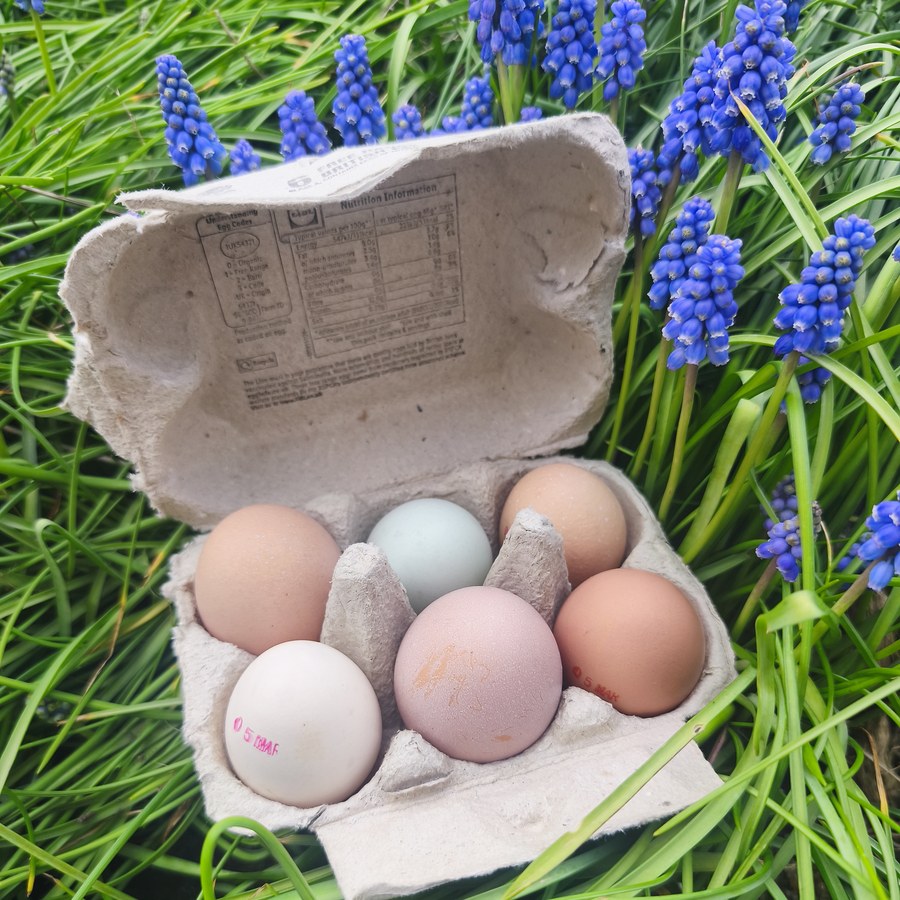
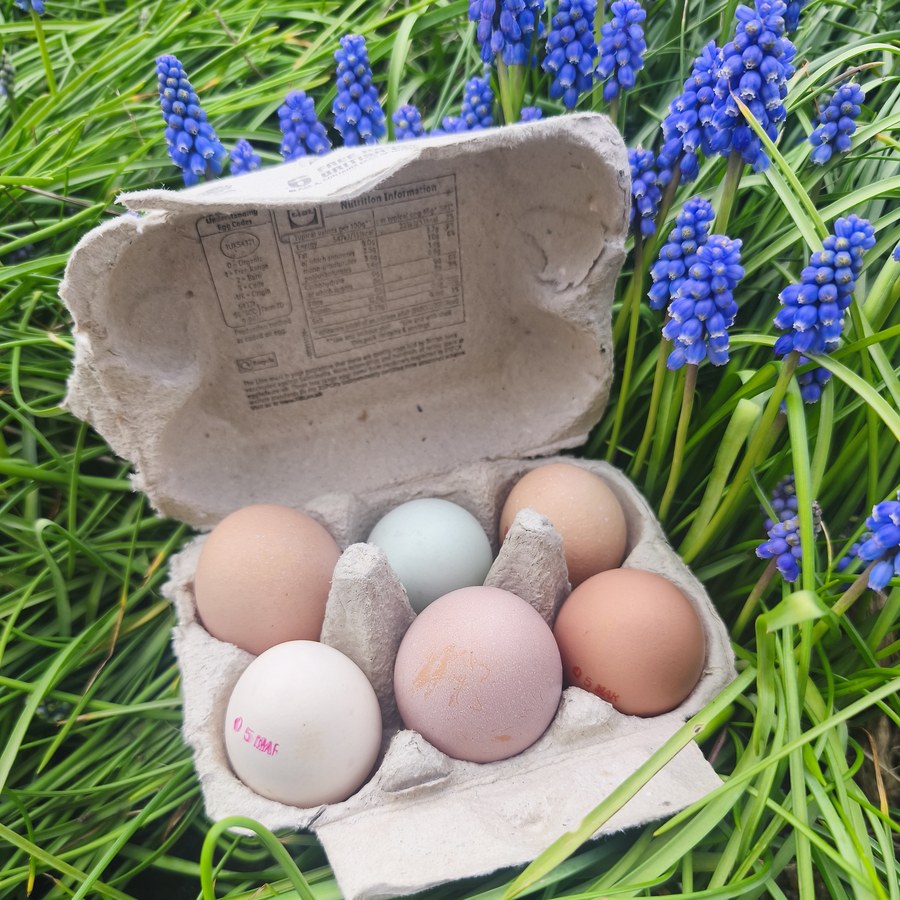
Mixed breed free-range flock producing both eating eggs and fertile hatching eggs.
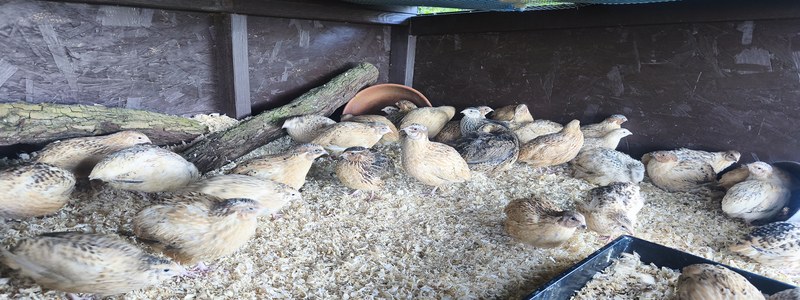
Quails
A growing quail flock producing eggs for local trade, with supply to local restaurants.
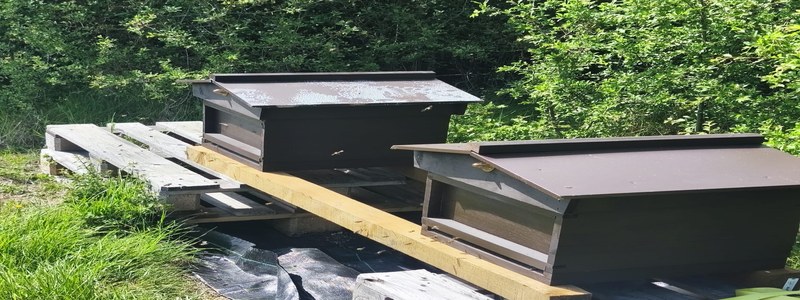
Bees & Honey
Seasonal honey production from our on-site colonies, managed with care for bee welfare.
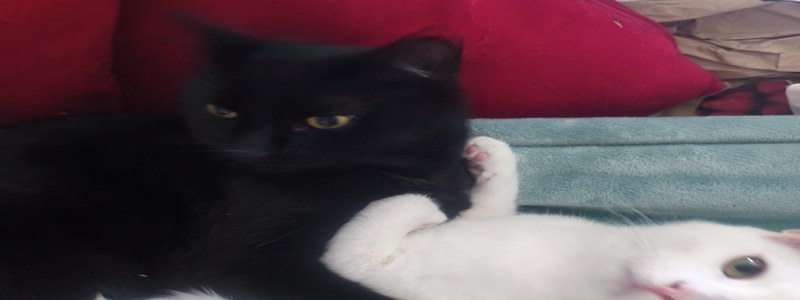
Ash, Snowflake & Yeti
Three farm cats with the run of the land. They earn their keep keeping the rodent population under control — and are very much part of the farm.
The Land & Orchard
The animals are only part of the picture. The land itself is being actively worked and planted — with a long-term view on biodiversity, food production, and supporting the local ecosystem that makes the whole farm function.
An orchard area was established in autumn 2024, with a variety of fruit trees going in including UK native species. Alongside the orchard, aspen and other native British trees are being introduced across the land — chosen deliberately to bring back insects, pollinators, and the kind of wildlife that has been squeezed out of this part of Buckinghamshire over the past few decades. Every native tree planted is another piece of habitat, more foraging for the bees, and more stability for the land long-term. Hybrid willow is already established on site.
Soft fruit is being trialled alongside the orchard work — blueberries, raspberries, and strawberries are all in progress. The aim is modest but deliberate: produce fruit for local sale and direct supply, reduce the amount of land sitting idle, and add another strand to what the farm grows and sells.
None of this is incidental. A farm that only produces eggs is brittle. One that also manages an orchard, grows soft fruit, plants native trees, and supports a healthy bee population is more resilient — and more honest about what farming actually is.
Where We're Headed
The next significant step is the construction of a full agricultural barn on the land — planning permission already in place. The barn will provide covered storage for equipment and feed, dedicated space for egg processing and grading, and help take the farm from a working smallholding to a more fully realised agricultural operation.
Longer term, the aim is a farm that is genuinely self-sustaining: eggs, honey, quail and duck products, soft fruit and orchard produce, and eventually pigs — with direct local sales and trade supply to restaurants and shops across the area. The bee colonies will expand significantly as the native planting matures and gives them more to work with.
Everything is built slowly and properly. No shortcuts. No growth for its own sake. Just a farm that earns the right to exist by doing things well.
What We Stand For
Genuinely Free Range
The hens are free range with secure outdoor access. Welfare drives every decision — not yield, not convenience.
Local First
We sell locally, deliver locally, and aim to supply local restaurants and businesses wherever possible.
Low Impact
Off-grid solar power, natural foraging, minimal waste, and land management that works with nature rather than against it.
Building for the Long Term
Every decision is made with permanence in mind — not quick returns, but a farm that will still be here in 20 years.
Support the Farm
Buy direct from us — every order goes straight back into the land and the animals.
Visit the Shop